About Us
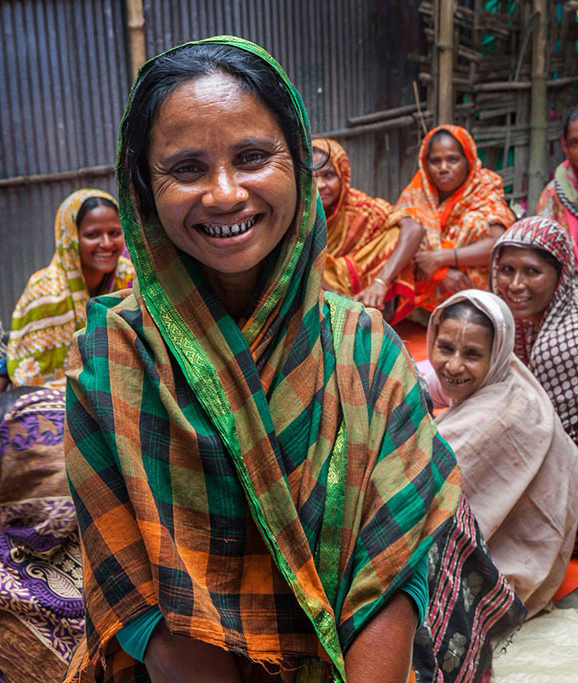
Institute for Environment and Development (IED) has started its footprint in development arena back in 1994. It is a non-profit, non-political and voluntary development organization having strong presence in development sector more than two decades. It is dedicated to promote social transformation and change of mindset of women, poor, disadvantaged, excluded groups and vulnerable people through socio economic, cultural and political changes in the society. It has strong prominence in the areas of women empowerment, rights of ethnic & religious minorities and environmental development & climate changes. In the course of time, it has widened its horizon and scope of work that includes promoting civic engagement & education, citizenship development, voter education, youth engagement, good governance, etc.
IED is the organization for fostering awareness, mobilization, capacity development, sensitization, advocacy, campaign and lobbying for the promotion of rights and entitlements poor, women, disadvantaged, socially excluded groups and ethnic and religious minorities. It maintains strong networking with different indigenous groups and organizations for promoting cultural diversity and strengthening social & cultural fabric of the country.
Currently it is working in 9 districts with strong existence. It has reached so far to 138,006 people (Direct – 36,669 and Indirect – 101337) of which 39% are women.
Read More ...
Vision statement
Mission
IED works with
- Disadvantaged and marginalized people
- Women
- Youth
- Adolescent
- Ethic and religious minorities
- Community people
- Civil society members
- Journalists
- Academicians
- Social actors
- Cultural activists
Strategic Approach
In congruent with IED’s Theory of change, IED is developing the Strategic Approaches based on two basic principle: (a) strategy of engagement all level of actors at the community, district (mid-level) and national policy makers, and (b) IED is providing information and knowledge input for the leadership development of all levels so that all levels of people have capacity to take initiatives by their own.
i) Engagement of three levels of development actors
a) Individual and Community Change Strategy
b) Civil Society Change Strategy
c) System Change Strategy through Policy Advocacy
ii) Leadership Capacity Building: Enhancing Knowledge and Skills
Organizational Expertise
- Organizing and mobilizing women, community people, student, youth, ethnic & religious minorities, socially excluded groups, disadvantaged people
- Capacity building and provide training to the target beneficiaries for taking initiatives for socio economic and cultural development.
- Activating women for involving in diversified sectors (family & community sensitization, entrepreneurship, leadership, technical & digital skill development, voice raising)
- Civil society platform-Janaudyog (People’s Initiatives) at 9 district levels for addressing socio cultural development issues related to women, youth, adolescent, Indigenous Peoples, environment and local problems.
- Make entering socially excluded IP unemployed youth into skill-based occupation in the market after attaching them with workshops/shops to provide hands on skill training.
- Develop vibrant groups and forums at target areas in Dhaka, Mymensingh and Jashore
- Activating youth and adolescent in the areas of environment, women empowerment and rights of ethnic and religious minoritiries through sports, culture, debate, self-defense, ICT training, change of mindset, combating digital disinformation, promoting peace, and harmony.
- Promote linkage of target beneficiaries with service providing agencies.
Goal
Core Values
- Equality
- Freedom
- Justice
- Cooperation
- Peace
- Participation
Program Implementation Strategies
• Advocacy and lobbying
• Campaign
• Mobilization
• Networking
• Linkage
• Awareness building
• Capacity building
• Hands on technical skill development
• Promoting people’s initiatives-Janaudyog
Play facilitating role to make people active, sensitive and participatory for action towards change.
Strategic Outcomes
The strategic outcomes are the specific, measurable and attainable objectives for achieving the long term ‘Development Goals’ and advancing towards aspired social vision. The proposed five strategic outcomes are interrelated and there are three cross-cutting themes; gender, conflict, and ICT. All the interventions will use all three lenses while considering and defining specific activities to achieve the following proposed strategic outcomes:
- Long-term vision for shared prosperity and community action plan for sustainable livelihood.
- Enhanced capability and increasing opportunity for equal gender participation.
- Increasing awareness on climate change adaptation and mitigation in individual life-practices and increasing community resilience.
- Prevention of domestic, gender based and socio-political violence by adopting conflict transformation awareness
- Increasing cultural awareness and engagement at the family and community with the focus on creativity and diversity.
Working Areas
• Dhaka
• Mymensingh
• Jashore
• Sherpur
• Rajshahi
• Khulna
• Gaibanda
• Netrakona
• Sunamgonj